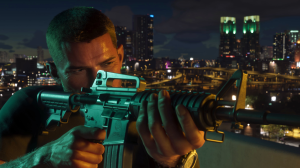

The Riot Shield, arguably one of the most polarizing pieces of equipment in Call of Duty history, is making its return in the upcoming Modern Warfare 4. However, developer Infinity Ward has implemented significant changes to the controversial item that could fundamentally alter how players interact with it. With the MW4 beta currently underway, the gaming community is getting its first hands-on experience with the revamped defensive tool, and the reactions are already pouring in.
The Riot Shield has been a source of heated debate within the Call of Duty community for well over a decade. First introduced in Call of Duty: Modern Warfare 2 back in 2009, the portable ballistic shield allowed players to absorb incoming fire while advancing on enemy positions. While some players appreciated the tactical options it provided, others despised facing opponents who could seemingly tank unlimited ammunition while slowly pushing forward. The item became synonymous with frustrating gameplay moments, particularly in objective-based modes where shield-wielding players could hold positions indefinitely.
Revolutionary Changes to a Classic Item
The most significant change to the Riot Shield in Modern Warfare 4 is its new classification as a field upgrade rather than occupying a primary or secondary weapon slot. This fundamental shift means players no longer have to sacrifice their firearm loadout to carry the defensive equipment. In previous titles, equipping the Riot Shield meant giving up either your primary or secondary weapon, creating a trade-off that divided the player base. The new system allows for greater flexibility in loadout customization while still maintaining the shield’s tactical utility.
Additionally, Infinity Ward has introduced a groundbreaking feature that allows players to plant the Riot Shield into the ground, effectively creating portable cover anywhere on the map. Once deployed, players can mount their weapons to the shield for improved stability, essentially transforming any location into a temporary defensive position. This mechanic opens up entirely new strategic possibilities, particularly in objective-based game modes where controlling specific areas is crucial to victory. According to Activision’s official statement, the shield provides frontal protection while advancing or holding a position and can also be used offensively with a new heavy melee attack that knocks enemies down.
Balancing Power With Destructibility
Perhaps the most welcome change for critics of the Riot Shield is its new destructibility feature. In previous Call of Duty titles, the Riot Shield could absorb seemingly endless amounts of gunfire without any degradation, leading to frustrating encounters where players felt powerless against shield users. Modern Warfare 4 addresses this longstanding complaint by making the shield breakable after sustained damage. Activision stated that the shield is “durable enough to support a push or cover a retreat,” but emphasized that it will eventually break under fire.
This design philosophy encourages strategic, calculated use of the Riot Shield rather than relying on it as an impenetrable barrier. Players will need to consider when and where to deploy their shield, making split-second decisions about whether the protection is worth the risk of losing it entirely. The balance change represents Infinity Ward’s attempt to satisfy both camps of the community: those who appreciate the tactical options the shield provides and those who found its previous iterations overpowered and frustrating to counter.
Beta Access and Release Details
Players eager to test out the revamped Riot Shield can do so right now if they preordered Modern Warfare 4. For those who prefer to wait, an open beta period runs from August 28 through September 1, requiring no preorder commitment. The beta includes not only multiplayer modes but also a campaign mission called “Entrenched” and a preview of upcoming changes to Call of Duty: Warzone, the franchise’s popular battle royale component.
Modern Warfare 4 is scheduled for full release on October 23 across PlayStation 5, Xbox Series X|S, PC, and notably, Nintendo Switch 2. This marks a significant moment in Call of Duty history, as it represents the first mainline entry to appear on a Nintendo platform since Call of Duty: Ghosts launched on Wii U in 2013. The inclusion of the Switch 2 signals Activision’s commitment to expanding the franchise’s reach and could introduce Call of Duty to an entirely new audience of Nintendo-focused gamers who have been unable to experience the series on their preferred platform for over a decade.
Expert Opinion: The redesigned Riot Shield represents a mature approach to community feedback that Infinity Ward has refined over multiple titles. By making the shield destructible and reclassifying it as a field upgrade, the developers have created a tool that rewards tactical thinking rather than exploitative gameplay. This balanced approach could serve as a template for how future controversial items are handled in competitive shooters, potentially reducing toxicity while preserving strategic depth.