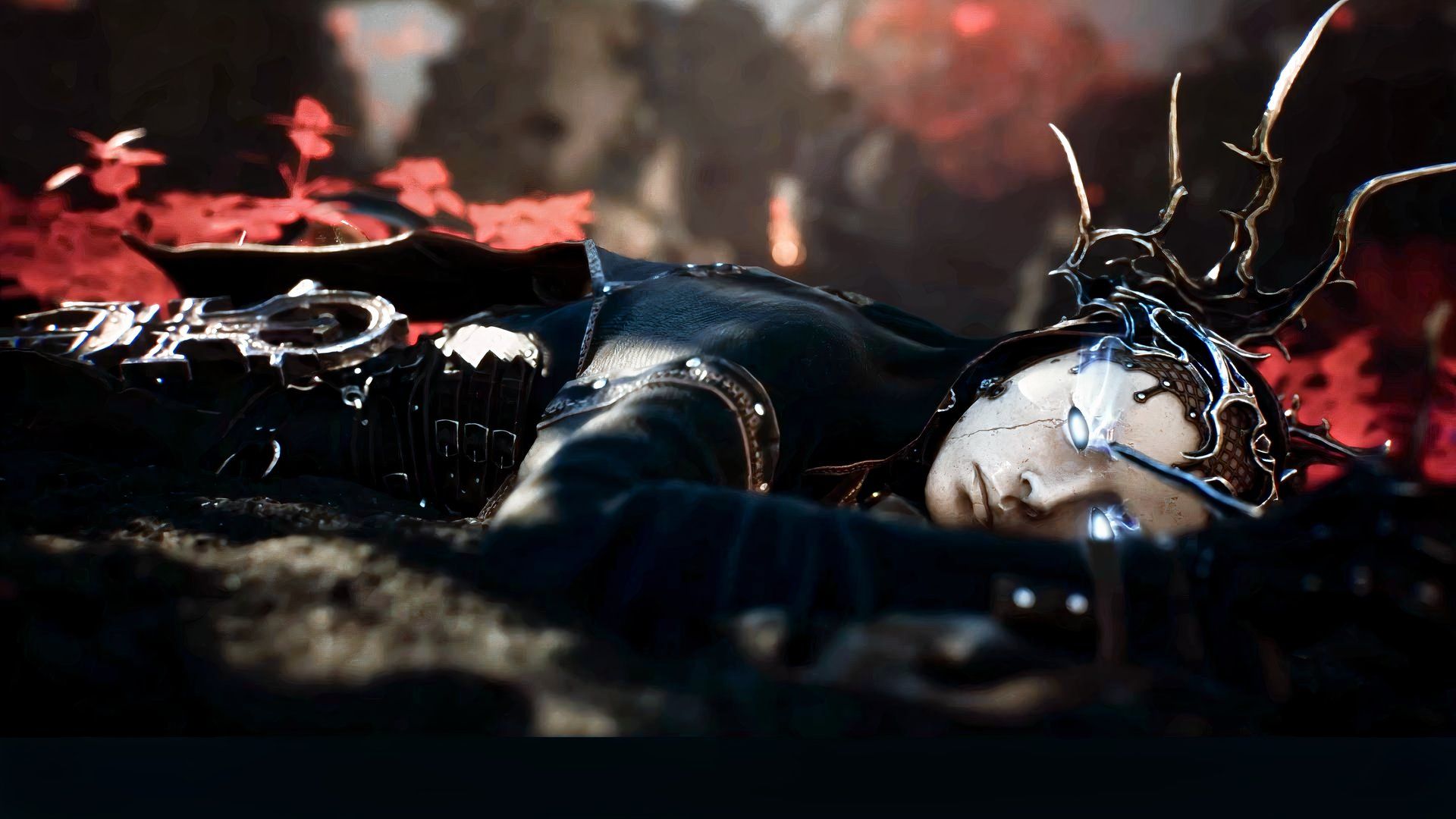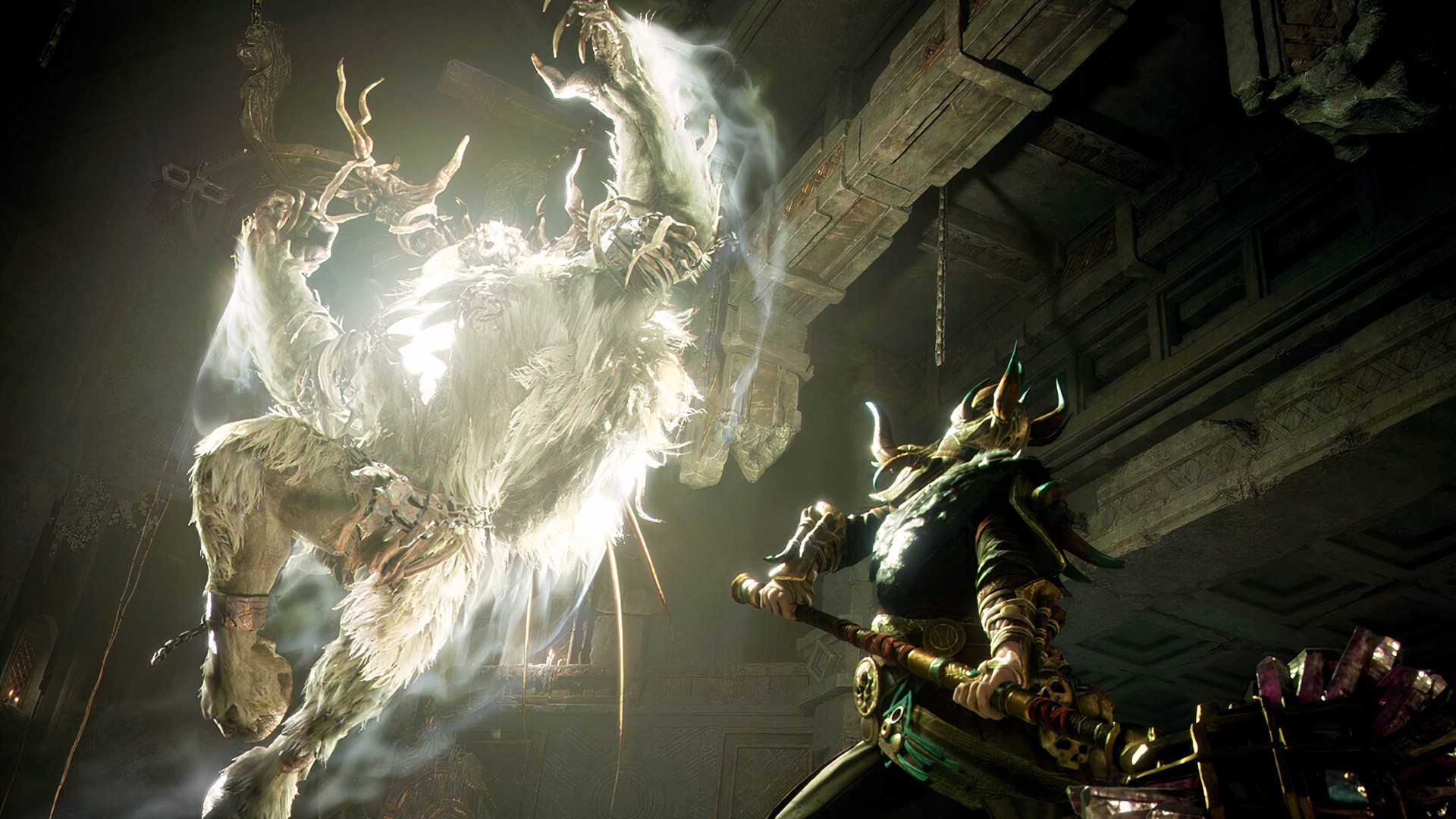
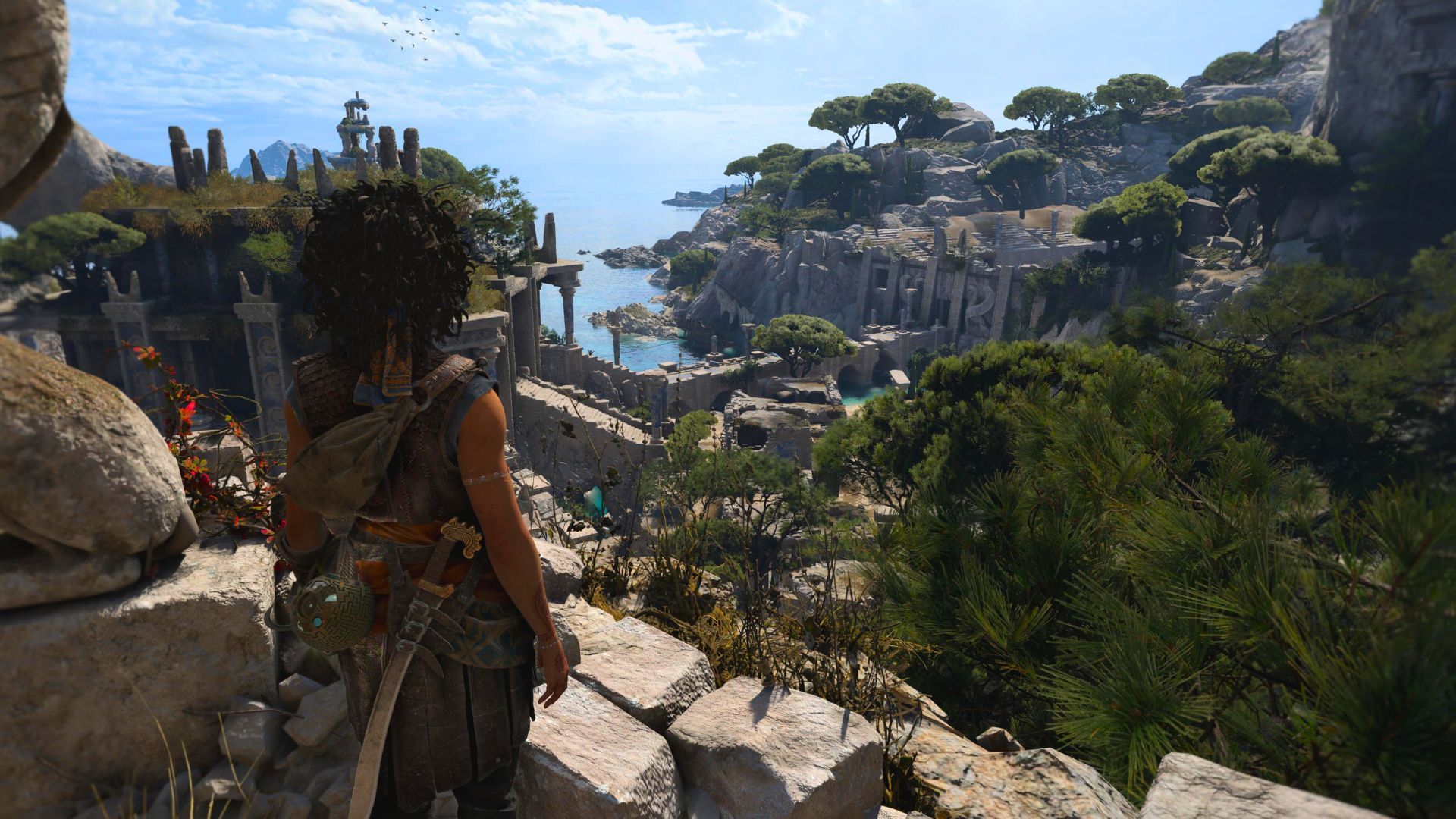
The Prima Macula has never been portrayed as a conventional disease within the Plague Tale universe. Throughout the acclaimed series developed by Asobo Studio, this mysterious affliction has possessed an almost otherworldly quality—a depth that transcends ordinary illness and ventures into genuinely supernatural territory. For players who have spent hours guiding Amicia and Hugo through rat-infested medieval France, the burning question has always remained: what exactly is the true nature of this enigmatic curse? Resonance: A Plague Tale Legacy arrives as the long-awaited answer to that question, serving as a prequel that delves deep into the ancient origins of the Prima Macula itself.
Exploring the Origins of a Beloved Franchise
The Plague Tale series first captured hearts in 2019 with A Plague Tale: Innocence, which introduced players to the harrowing journey of Amicia de Rune and her young brother Hugo as they navigated the horrors of 14th-century France during the Black Death. The game masterfully blended stealth mechanics with an emotionally devastating narrative, earning widespread critical acclaim and a dedicated fanbase. Its 2022 sequel, A Plague Tale: Requiem, expanded upon these foundations while deepening the mystery surrounding Hugo’s supernatural connection to the swarms of deadly rats that plagued the land. Now, Resonance takes players even further back in time, promising to illuminate the shadows that have always lingered at the edges of this compelling narrative universe.
What makes Resonance particularly intriguing is its willingness to tackle the most mysterious aspects of the franchise head-on. The Prima Macula has functioned as the beating dark heart of both previous games, yet its true nature remained deliberately obscured. By choosing to explore these origins, developer Asobo Studio has taken a considerable creative risk. Demystifying what made the original games so hauntingly effective could potentially diminish their impact—or, handled correctly, could enrich the entire series retroactively.
Gameplay Evolution and Narrative Ambition
The gameplay in Resonance maintains much of what fans loved about its predecessors while introducing new mechanical elements suited to its different time period and protagonists. The signature tension of navigating environments filled with light-sensitive rat swarms returns, though the context and stakes feel refreshingly different when divorced from Amicia and Hugo’s specific journey. Players encounter new characters whose fates are inextricably linked to the curse that would eventually torment the de Rune family centuries later, creating a sense of tragic inevitability that permeates every interaction.
Asobo Studio has demonstrated remarkable growth since their humble beginnings. Before achieving mainstream success with A Plague Tale: Innocence, the French developer was primarily known for licensed games and technical showcases. Their transformation into a studio capable of delivering emotionally resonant narrative experiences while simultaneously developing Microsoft Flight Simulator speaks to their versatility and ambition. Resonance represents another evolution, attempting to build upon established lore while carving out its own identity within the franchise.
The Verdict: Does the Mystery Survive?
The central question facing Resonance is whether explaining the Prima Macula’s origins enhances or diminishes the overall Plague Tale experience. Horror and mystery often derive their power from the unknown—the shadows at the edge of perception, the questions left deliberately unanswered. By venturing into those shadows with a torch, Resonance takes a gamble that not every player will appreciate. However, for those deeply invested in the franchise’s lore, the revelations offered here feel earned rather than exploitative. The writing maintains the series’ trademark balance of hope and despair, even as it illuminates corners that were previously shrouded in darkness.
Whether Resonance ruins what made Plague Tale special ultimately depends on individual player preferences. Those who cherished the ambiguity of the original games may find some magic lost in translation. However, fans hungry for deeper understanding of this richly realized world will discover a worthy addition to the franchise—one that respects its predecessors while boldly charting new territory. The Prima Macula remains haunting even when its origins are laid bare, testament to Asobo Studio’s continued mastery of atmospheric storytelling.
Expert Opinion: Resonance represents a calculated risk that largely pays off for dedicated franchise fans, though casual players may find the prequel format less immediately gripping than the de Rune siblings’ adventures. Asobo Studio’s confidence in expanding their universe suggests we haven’t seen the last of the Plague Tale franchise, and this foundation-laying entry positions them well for future installments that could explore other eras touched by the Prima Macula’s influence.