The Soulslike genre has exploded in popularity over the past decade, with countless developers attempting to capture the magic that FromSoftware pioneered with the Dark Souls series. Among the most promising independent studios in this space is Cold Symmetry, whose debut title Mortal Shell garnered significant attention for its unique approach to the formula. Now, the studio returns with Mortal Shell II, a sequel that aims to build upon everything that made the original memorable while addressing its shortcomings. For fans who have been eagerly anticipating this release since participating in the open beta, the question remains: does Mortal Shell II deliver on its ambitious promises, or does it fall short of the lofty expectations set by its predecessor and the genre’s titans?
The original Mortal Shell launched in 2020 to considerable critical acclaim, particularly impressive given Cold Symmetry’s small team size. The game introduced innovative mechanics like the “harden” ability, which allowed players to turn their character to stone momentarily, creating unique defensive opportunities. The shell system, where players could inhabit different fallen warriors to gain various abilities and playstyles, also set it apart from other Soulslikes. However, the original was criticized for its relatively short length and limited enemy variety. With Mortal Shell II, Cold Symmetry has had the opportunity to expand their vision significantly, backed by greater resources and the valuable feedback from their dedicated community.
Story and Setting: A Darker World Unveiled
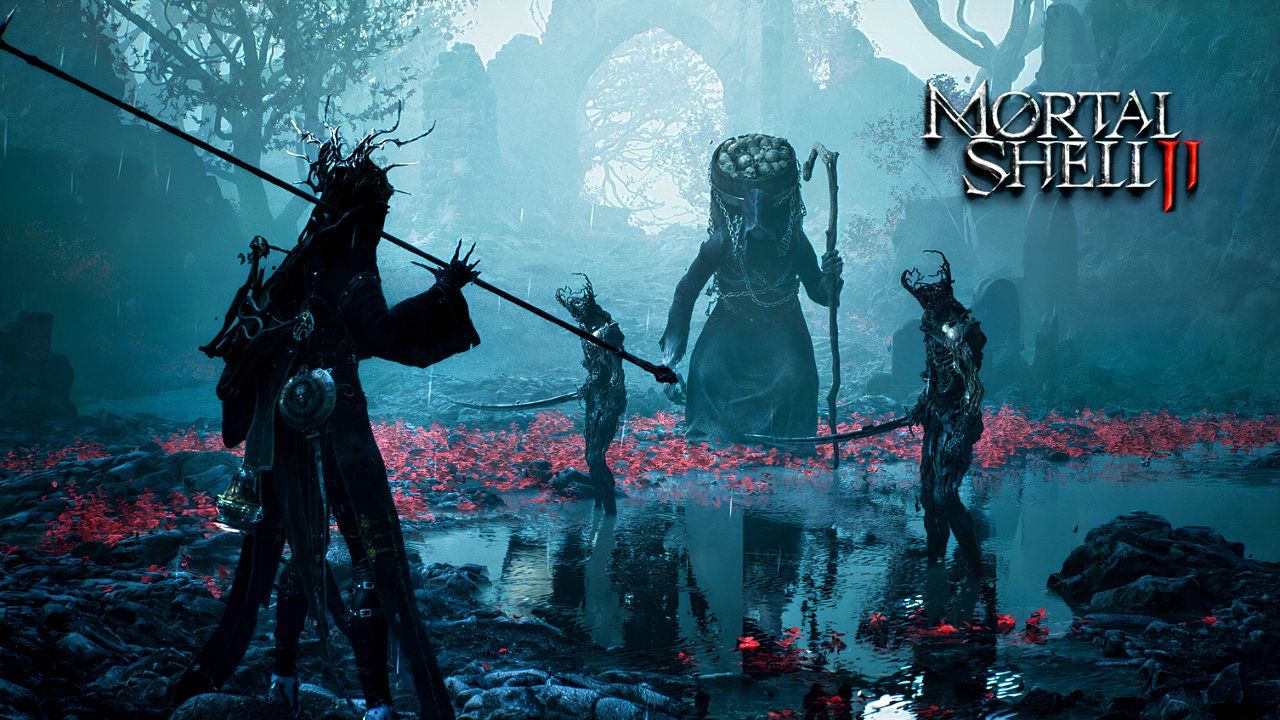
Mortal Shell II expands dramatically on the cryptic lore established in the first game. The narrative continues to embrace the obtuse storytelling style that Soulslike enthusiasts have come to appreciate, weaving its tale through environmental details, item descriptions, and fragmented dialogue. The world feels more lived-in this time around, with interconnected areas that reveal the tragic history of a realm caught between existence and oblivion. Cold Symmetry has clearly invested considerable effort into world-building, creating locations that feel both haunting and beautiful in equal measure. The art direction remains one of the game’s strongest aspects, with each zone presenting distinct visual identities while maintaining cohesive atmospheric dread.
The setting draws inspiration from various mythological and historical sources, blending elements of medieval European aesthetics with cosmic horror undertones reminiscent of H.P. Lovecraft’s works. This fusion creates an unsettling atmosphere that permeates every moment of gameplay. The new areas are substantially larger than those found in the original, offering more opportunities for exploration and discovery. Environmental storytelling has been enhanced significantly, with careful observers able to piece together narrative threads that casual players might miss entirely.
Gameplay Mechanics: Refined Combat and New Systems
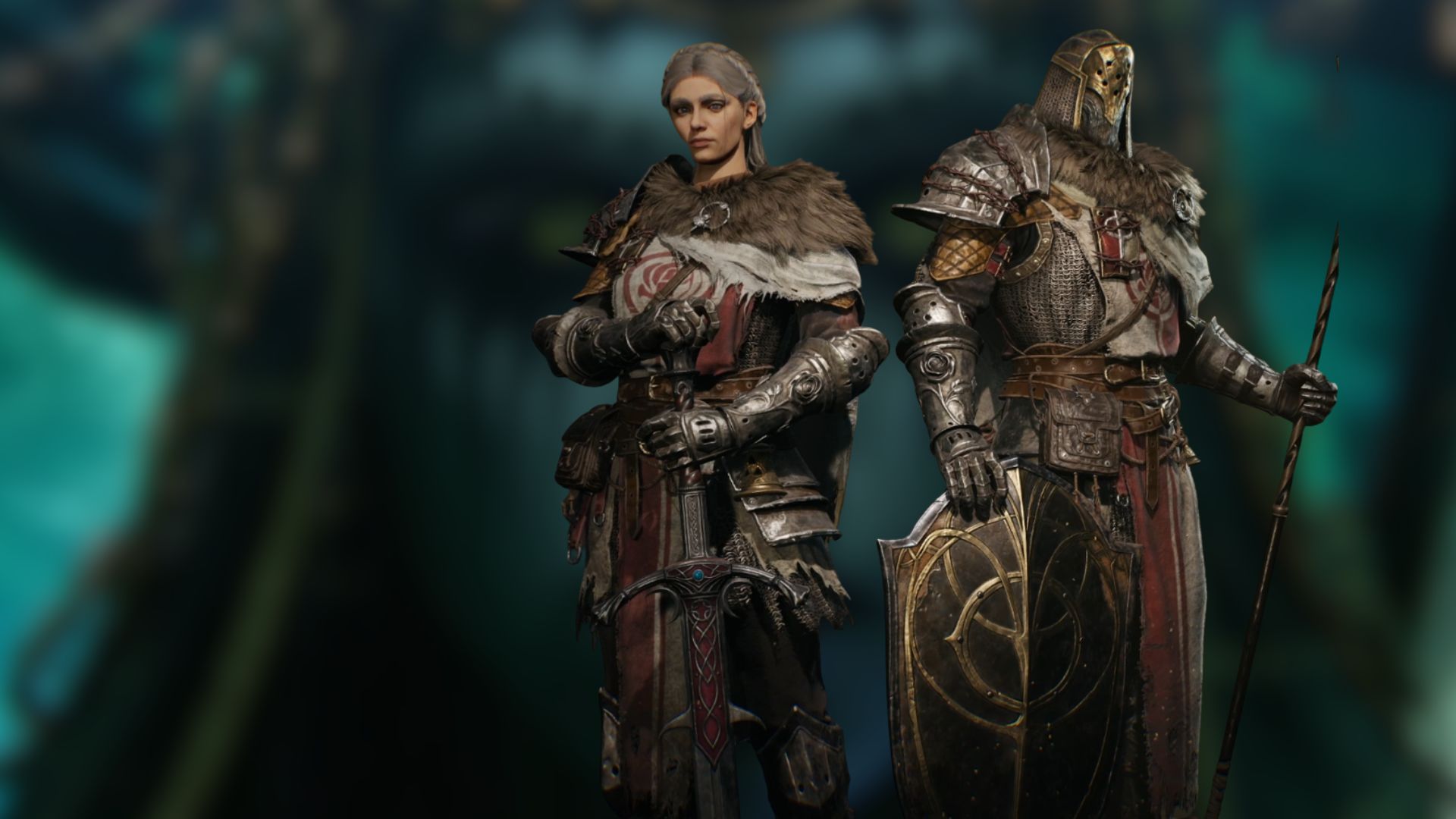
The core gameplay loop of Mortal Shell II retains what worked in the original while introducing meaningful improvements. The signature harden mechanic returns, still offering that satisfying moment of turning enemy attacks against them through careful timing. Combat feels weightier and more deliberate than many action games, demanding patience and precision from players. New shell options provide fresh playstyles to master, each with unique abilities that encourage experimentation. The parry system has been refined, making it more responsive and rewarding for skilled players who invest time in learning enemy patterns.
Cold Symmetry has addressed one of the original’s primary criticisms by significantly expanding enemy variety. Players will encounter dozens of new foe types, each requiring different tactical approaches. Boss encounters represent particular highlights, featuring multi-phase battles with impressive visual spectacle and challenging mechanical depth. The game also introduces new weapon types and upgrade systems, giving players more agency in customizing their approach to combat. Quality-of-life improvements, such as better checkpoint placement and clearer navigation aids, demonstrate that the developers listened carefully to community feedback without compromising the genre’s inherent challenge.
Performance and Technical Aspects
From a technical standpoint, Mortal Shell II performs admirably across multiple platforms. Frame rates remain stable during even the most chaotic encounters, and loading times have been dramatically reduced compared to the original release. The visual fidelity has seen noticeable improvement, with enhanced lighting effects, more detailed textures, and improved character animations. The audio design deserves special mention, with an atmospheric soundtrack that perfectly complements the oppressive tone while sound effects provide crucial combat feedback. Some minor bugs exist at launch, but nothing game-breaking has been encountered during extensive testing.
The game offers various accessibility options and difficulty modifiers, making it more approachable for newcomers while still providing the punishing experience veterans expect. Cross-platform compatibility and robust online features, including cooperative play and invasion mechanics, extend the game’s longevity considerably. Cold Symmetry has committed to post-launch support, promising additional content and continued optimization patches.
Expert Opinion: Mortal Shell II represents a remarkable evolution for Cold Symmetry, demonstrating how indie studios can compete with larger developers in the Soulslike space. While it may not dethrone FromSoftware’s offerings, it establishes itself as a must-play title for genre enthusiasts seeking fresh experiences. The sequel’s expanded scope and refined mechanics suggest Cold Symmetry has a bright future ahead, potentially positioning them as the premier independent alternative in this competitive genre.