
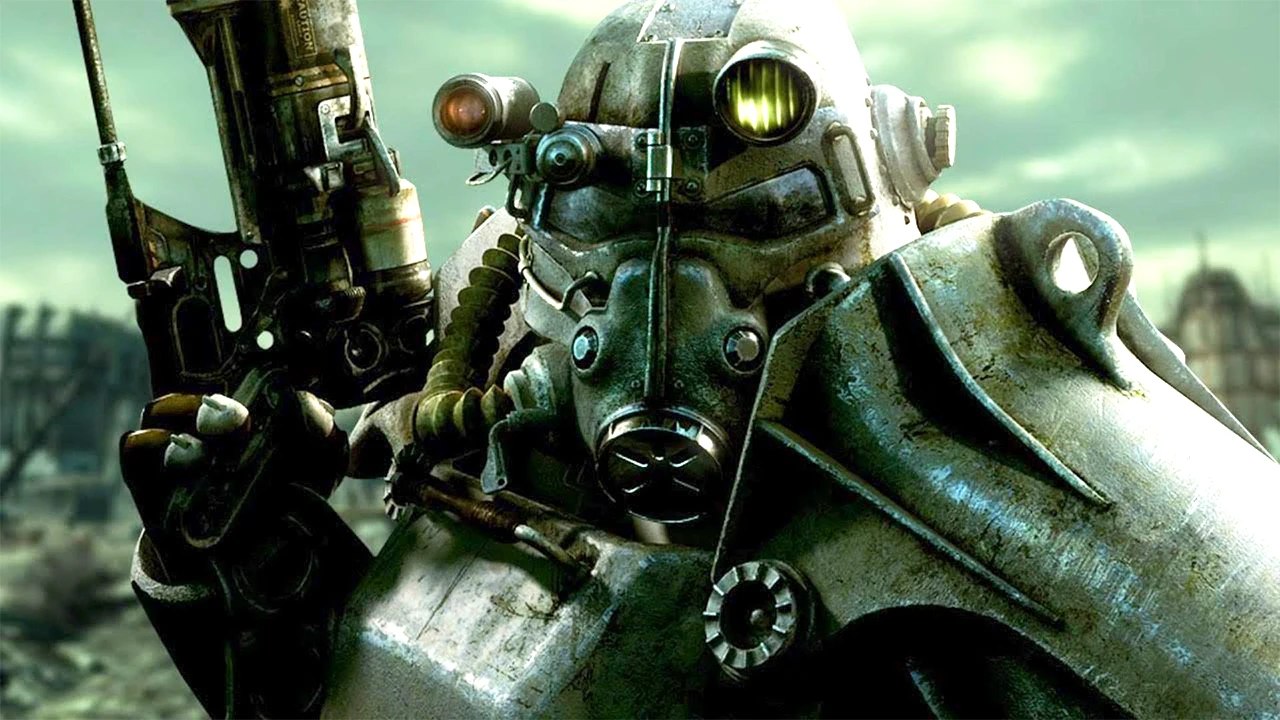
The long-rumored Fallout 3 remaster has been officially confirmed, and the gaming community is buzzing with excitement. But beyond the typical visual upgrades that remasters usually bring, a former developer from the original team has revealed something particularly intriguing: this could be the opportunity to finally deliver the game that Bethesda always wanted to create but couldn’t due to the technical limitations of its era. For fans of the post-apocalyptic franchise, this represents far more than just a fresh coat of paint on a beloved classic.
Nate Purkeypile, who spent several years at Bethesda Game Studios and served as one of the key figures responsible for lighting design on Fallout 3, recently shared his enthusiasm about the remaster announcement. Purkeypile was also instrumental in developing two of the game’s most acclaimed downloadable content expansions: The Pitt and Point Lookout. His insider perspective offers a fascinating glimpse into what went on behind the scenes during the original development process and why this remaster holds such significant potential.
Technical Limitations That Shaped the Original Game
In a detailed interview with Steven Lake on The Examined Game YouTube channel, Purkeypile explained that the Fallout 3 we’ve been playing since 2008 doesn’t truly represent what the development team envisioned. “The development of Fallout 3 was extremely limited technically,” he stated candidly. The former developer elaborated on the specific constraints they faced, noting that “the number of light sources was restricted and the textures were quite small,” which made achieving their artistic goals particularly challenging. Memory management was a constant concern, with developers having to carefully monitor how many elements could be displayed on screen at any given moment.
These technical restrictions were common for games released during the PlayStation 3 and Xbox 360 era, when developers were still learning to optimize for the new console generation. The hardware, while revolutionary at the time, simply couldn’t handle the full scope of what creative teams wanted to achieve. This meant that artists, designers, and programmers had to make difficult compromises, often scaling back their ambitions to ensure the game would run smoothly on consumer hardware. For Fallout 3, this resulted in a game that, while still excellent, fell short of its creators’ complete vision.
A Remaster With a True Purpose
Purkeypile addressed the common criticism that remasters are often cash grabs, acknowledging that such concerns can be valid for certain entertainment products. However, he emphasized that video games occupy a unique position in this debate. “I understand that people get more upset about film remakes, etc. But in the case of games like this one, especially on the artistic side, this is absolutely not what we had planned, and we were very, very limited at the time,” he explained. This statement suggests that with modern technology, Bethesda now has the capability to realize the original team’s complete artistic vision for the Capital Wasteland.
The timing of this remaster couldn’t be better from a technical standpoint. Current-generation consoles like the PlayStation 5 and Xbox Series X offer dramatically improved processing power, memory capacity, and storage speeds compared to their 2008 predecessors. These advancements mean that developers can now implement dynamic lighting systems, high-resolution textures, improved draw distances, and more detailed character models without the severe compromises that plagued the original release. Purkeypile has even expressed hope that a similar treatment could eventually be applied to another Bethesda classic: The Elder Scrolls V: Skyrim.
Following in Oblivion’s Footsteps
Bethesda has already demonstrated its commitment to quality remasters with the recent surprise release of The Elder Scrolls IV: Oblivion Remaster, which received widespread acclaim for its thoughtful modernization of the 2006 classic. That project showed that the company is willing to invest significant resources into bringing its legacy titles up to contemporary standards, rather than simply releasing basic ports with minimal improvements. Fans are hopeful that Fallout 3 will receive similar treatment, potentially including gameplay refinements that address the sometimes stiff combat mechanics that were common in games of that era.
Fallout 3 remains a landmark title in gaming history, having successfully transitioned the franchise from its isometric RPG roots into a first-person open-world experience. Its depiction of a devastated Washington D.C. two centuries after nuclear war captivated millions of players with its atmospheric world design, compelling storyline, and memorable characters. The game’s influence can still be felt throughout the industry, and its cultural impact was recently amplified by the success of Amazon’s Fallout television series, which has introduced the franchise to an entirely new audience.
Release Window and Future Fallout Projects
While Bethesda confirmed the existence of the Fallout 3 remaster in July 2026, the company has not yet announced a specific release date or even a general launch window. The remaster is expected to be available on PlayStation 5, Xbox Series X|S, and PC at minimum, bringing the Capital Wasteland experience to modern platforms with all the technological advantages they offer. Additionally, Bethesda has revealed that a Fallout: New Vegas remaster is also in development, which has particularly excited fans given that game’s reputation for exceptional writing and player choice.
Perhaps most exciting for longtime franchise enthusiasts is the confirmation that entirely new Fallout entries are in development. One of these projects is being helmed by Obsidian Entertainment, the studio responsible for creating Fallout: New Vegas. This reunion between Obsidian and the Fallout franchise has been something fans have dreamed about for over a decade, suggesting that Bethesda is committed to expanding the post-apocalyptic universe in multiple directions simultaneously. The combination of lovingly crafted remasters and ambitious new installments signals a bright future for one of gaming’s most beloved franchises.
Expert Opinion: The revelation that Fallout 3’s original development was significantly compromised by technical limitations adds substantial legitimacy to this remaster project. Unlike many remasters that simply update visuals, this presents a rare opportunity to see a beloved game fully realized as its creators intended. If Bethesda applies the same care shown in the Oblivion remaster while incorporating modern gameplay improvements, Fallout 3 Remaster could set a new standard for how classic games should be revisited for contemporary audiences.