
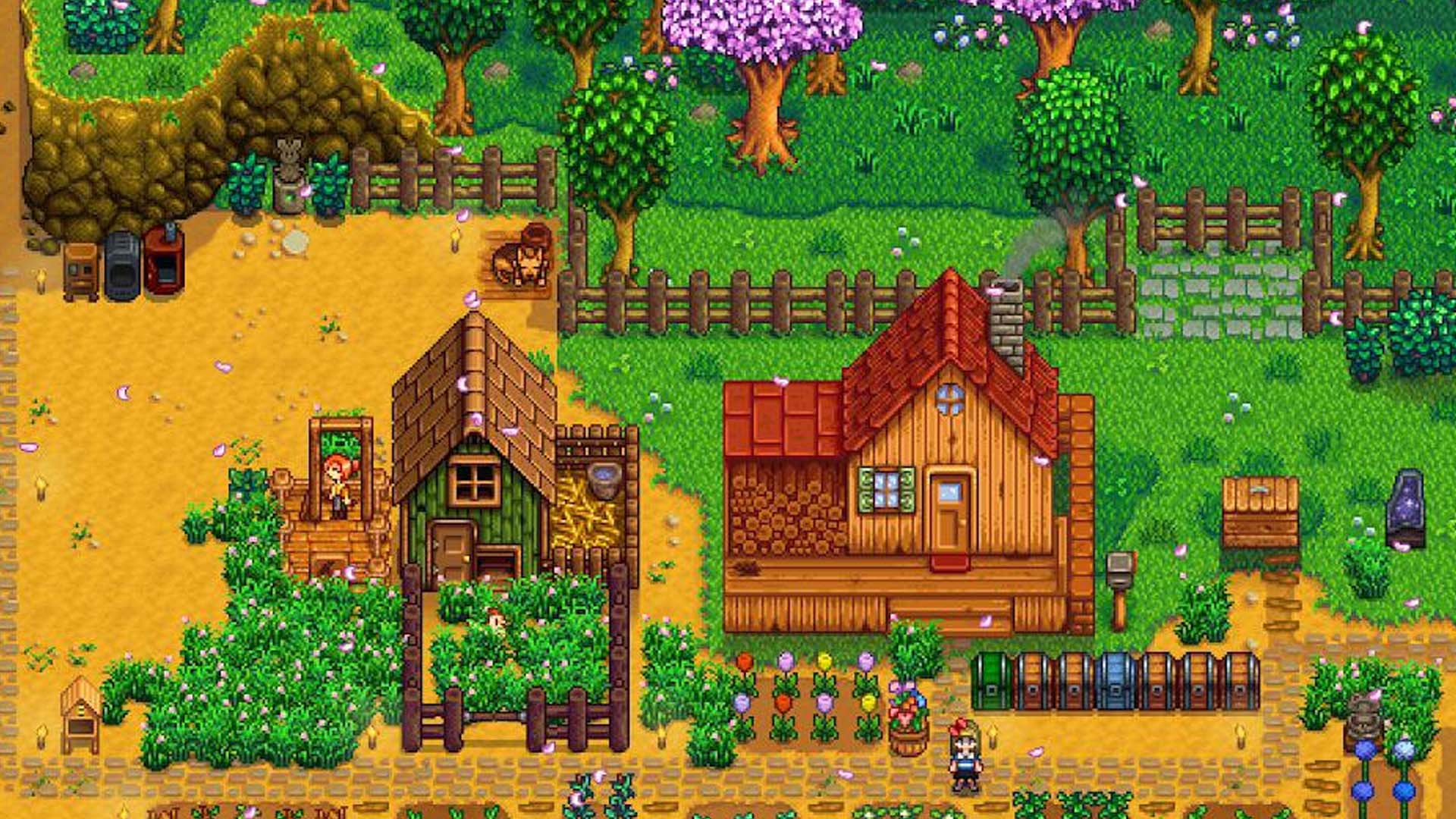
Whether you’re just starting your farming adventure or beginning a fresh year in Pelican Town, spring represents one of the most crucial seasons in Stardew Valley. This beloved farming simulation game, developed by ConcernedApe (Eric Barone), has captivated millions of players worldwide since its release in 2016. The spring season spans 28 in-game days and sets the foundation for your entire farming operation. From planting your first parsnips to attending colorful festivals, mastering the spring season is essential for both newcomers and veteran farmers looking to optimize their gameplay experience.
Stardew Valley has become a cultural phenomenon in the gaming world, selling over 30 million copies across multiple platforms. The game’s appeal lies in its perfect blend of farming mechanics, social simulation, and exploration. Spring, as the first season players encounter, introduces the core gameplay loops that will define their entire playthrough. Understanding what to plant, when to fish, and which events to attend can mean the difference between a struggling farm and a thriving agricultural empire.
Spring Events and Villager Birthdays in Pelican Town
The spring season in Stardew Valley is packed with festivities that bring the community together. The Egg Festival on Spring 13 is one of the first major events new players will experience. This cheerful celebration features an egg hunt where players compete against the town’s children to collect the most eggs scattered around the plaza. Winning the egg hunt rewards players with a straw hat, and later victories yield valuable prizes. The festival also offers exclusive items from Pierre’s booth that cannot be purchased elsewhere.
Perhaps the most anticipated spring event is the Flower Dance on Spring 24, which holds special significance for players pursuing romantic relationships. This traditional celebration allows players to invite one of the eligible bachelors or bachelorettes to dance, though this requires reaching at least four hearts of friendship beforehand. The Desert Festival, running from Spring 15-17, was added in a later update and offers unique minigames and rewards for players who have unlocked the Calico Desert. Additionally, the Berry Season from Spring 15-18 provides an excellent opportunity to gather Salmonberries from bushes throughout the valley.
Remembering villager birthdays is crucial for building relationships in Pelican Town. Spring features eight birthdays: Kent (Spring 4), Lewis (Spring 7), Vincent (Spring 10), Haley (Spring 14), Pam (Spring 18), Shane (Spring 20), Pierre (Spring 26), and Emily (Spring 27). Giving a loved gift on a villager’s birthday provides eight times the normal friendship points, making birthdays the most efficient way to increase relationship levels quickly.
Complete Spring Crop Guide: Maximizing Your Farm’s Potential
Choosing the right crops during spring is fundamental to building your farm’s economy. New players typically start with parsnips, which cost only 20 gold and mature in just four days, making them ideal for quick early income. However, strategic farmers should consider investing in higher-value crops as soon as possible. Cauliflower, despite its 12-day growth period, sells for 175 gold minimum and has a chance to become a giant crop when planted in a 3×3 grid, dramatically increasing profits.
Multi-harvest crops deserve special attention from efficiency-minded players. Green beans cost 60 gold and take 10 days to mature initially, but they continue producing every three days thereafter, potentially yielding six harvests per spring. Coffee beans, while expensive at 2,500 gold from the Traveling Cart, also produce multiple harvests and provide the added benefit of crafting coffee for speed boosts. Strawberries, available exclusively during the Egg Festival for 100 gold each, are arguably the most profitable spring crop, continuing to produce berries every four days after the initial eight-day growth period.
Here’s a comprehensive breakdown of spring crops: Garlic (40g, 4 days, up to 6 harvests), Carrots (forage only, 3 days, up to 9 harvests), Kale (70g, 6 days, 4 harvests), Cauliflower (80g, 12 days, 2 harvests), Potatoes (50g, 6 days, 4 harvests with chance for extras), Rhubarb (100g from Oasis, 13 days, 2 harvests), Unmilled Rice (40g, 6-8 days depending on irrigation), Tulips (20g, 6 days, decorative), and Blue Jazz (30g, 7 days, decorative). Planning your planting schedule around these growth times ensures maximum harvests before summer arrives.
Spring Foraging and Fishing Opportunities
Beyond cultivated crops, spring offers abundant foraging opportunities throughout the valley. Spring Onions spawn exclusively in the Cindersap Forest and provide easy early-game income and energy restoration. Daffodils appear throughout Pelican Town with 100% spawn rates, while Dandelions can be found in Cindersap Forest and near the Bus Stop. The Secret Woods, accessible after upgrading to a steel axe, contains valuable forage including Common Mushrooms, Morels, and Wild Horseradish.
Fishing during spring provides both income and progress toward the Community Center bundles. The ocean south of Pelican Town yields Anchovies, Herring, and Sardines throughout the day, while Eels appear between 4 PM and 2 AM. River fishing produces Smallmouth Bass, Shad, Sunfish, and the valuable Catfish during rainy days. The legendary Legend fish, worth between 5,000 and 10,000 gold, can only be caught in the mountain lake when players reach fishing level 10. This rare catch requires skill and patience but represents one of the most valuable items available during spring.
The Catfish deserves special mention as it only appears during rainy spring days in rivers, the Secret Woods pond, and the Witch’s Swamp. Selling for 200-400 gold, it’s essential for completing the River Fish Bundle in the Community Center. Players should prioritize fishing on rainy days to maximize their chances of catching this elusive species before summer arrives.
Expert Opinion: Spring represents the most critical season for establishing long-term success in Stardew Valley. Players who prioritize purchasing Strawberry seeds at the Egg Festival and immediately planting them can generate substantial income that compounds throughout subsequent seasons. Additionally, focusing on fishing during the first spring provides essential Community Center progress while crops are still growing, creating an efficient gameplay loop that veteran speedrunners have perfected over years of optimization.