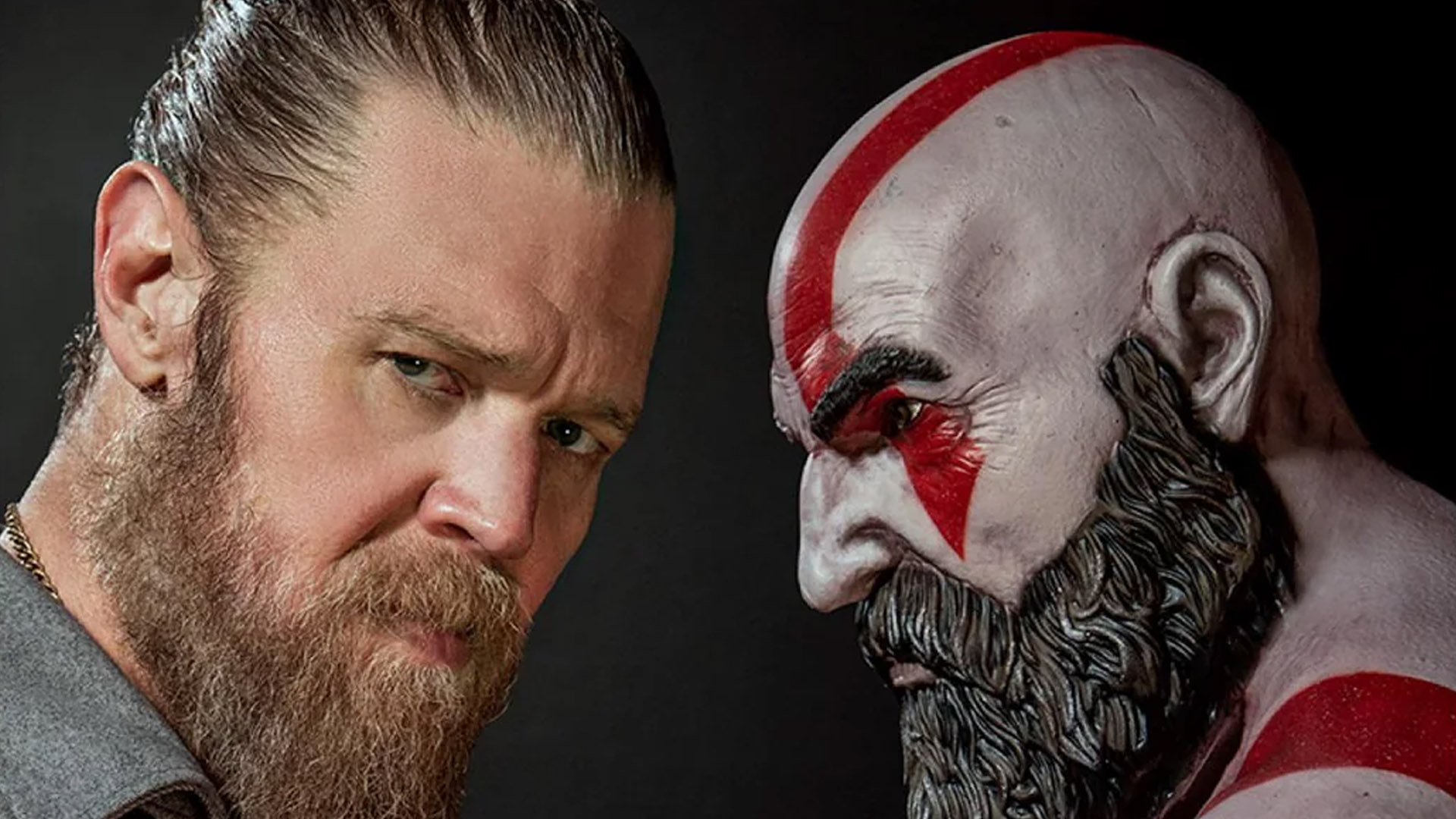
The highly anticipated God of War television series from Prime Video has encountered a significant obstacle that threatens to delay production indefinitely. Ryan Hurst, the actor cast to portray the iconic video game protagonist Kratos, has been forced to abandon the role after sustaining an injury during filming that required hospitalization. The news has sent shockwaves through the gaming and entertainment communities, as the adaptation of Sony’s flagship PlayStation franchise was expected to be one of the biggest streaming events in the coming years. In a bittersweet farewell to the character, Hurst recently shared a photograph on Instagram showing himself fully transformed into the Ghost of Sparta, giving fans a glimpse of what could have been.
The casting of Ryan Hurst had initially been met with widespread enthusiasm from fans of the beloved action-adventure series. Best known for his role as Opie Winston in the critically acclaimed FX series Sons of Anarchy, Hurst brought both dramatic gravitas and physical presence to his previous roles. The God of War franchise, which debuted on PlayStation 2 in 2005, has sold over 50 million copies worldwide and is considered one of gaming’s most important intellectual properties. The series follows Kratos, a Spartan warrior haunted by his past, who wages war against the gods of Olympus before eventually finding redemption through fatherhood in the Norse mythology-inspired 2018 reboot.
From Praise to Doubt: The Controversy Surrounding Hurst’s Casting
When production photographs first emerged from the set, some fans began expressing concerns about whether Hurst could physically embody the massively muscular Kratos. The character is known for his intimidating physique, covered in distinctive red tattoos and the ashen skin that earned him his nickname, the Ghost of Sparta. Social media debates erupted over whether Hurst possessed the imposing build necessary to convincingly portray a demigod capable of slaying Zeus himself. Video game adaptations have historically faced intense scrutiny regarding casting choices, with productions like HBO’s The Last of Us setting new standards for faithful character representation.
However, the final photograph shared by Hurst appears to have silenced many critics. Showing the actor in full Kratos makeup and costume, complete with the character’s signature pale skin and battle-worn appearance, the image demonstrates the remarkable transformation Hurst underwent for the role. Fan reactions on social media were swift and overwhelmingly apologetic. Comments flooded in with sentiments like “I take back everything I said. He truly embodies Kratos” and “They could have waited for him to recover. He gave everything for this job, and now it’s all for nothing.” Many expressed regret at their earlier criticisms, acknowledging that Hurst appeared “absolutely perfect” for the part.
The Search for a New Kratos Begins
Amazon MGM Studios and PlayStation Productions now face the challenging task of recasting one of gaming’s most recognizable characters. The production has been placed on indefinite hold while executives search for a suitable replacement. Fan speculation has been rampant across social media platforms, with numerous names being suggested for the coveted role. The most persistent rumor involves former professional wrestler turned actor Dave Bautista, who has reportedly entered discussions about taking over as Kratos. Bautista has proven his acting capabilities in franchises like Guardians of the Galaxy and Dune, and his imposing physical presence would certainly address previous concerns about the character’s muscularity.
The recasting decision carries significant weight for the future of video game adaptations on streaming platforms. Following the massive success of HBO’s The Last of Us and Netflix’s Arcane, studios have invested heavily in bringing gaming franchises to television audiences. PlayStation Productions has been particularly active, with projects based on Horizon Zero Dawn, Ghost of Tsushima, and other Sony properties in various stages of development. The God of War series was positioned as a flagship production, expected to attract both existing fans and newcomers to the franchise through Prime Video’s global platform.
Release Timeline Now Uncertain
Prime Video has not provided any official timeline for when the God of War series might premiere. Prior to Hurst’s injury, industry observers had speculated that a release window in early 2027 was feasible, given that principal photography had already commenced. However, the necessity of finding and preparing a new lead actor has thrown these projections into question. Whoever assumes the role of Kratos will require significant time for physical conditioning, makeup tests, and rehearsals before cameras can roll again. The delay could potentially push the series back by a year or more, depending on how quickly production can resume.
The situation highlights the inherent risks involved in producing high-profile adaptations that depend heavily on a single performer’s physical transformation. Unlike animated or CGI productions where characters can be rendered digitally, live-action portrayals of iconic video game characters require actors who can match both the visual expectations and emotional depth of the source material. For Kratos specifically, this means finding someone capable of conveying the character’s complex journey from rage-filled god-slayer to protective father figure, all while maintaining the physical intimidation that has defined the character for nearly two decades of gaming history.
Expert Opinion: The recasting of Kratos represents a pivotal moment for video game adaptations in the streaming era. While Ryan Hurst’s departure is undoubtedly a setback, the positive reception to his final photograph demonstrates that PlayStation Productions was on the right creative track. If Dave Bautista or another high-profile actor can successfully step into the role, the added publicity and renewed fan engagement could ultimately work in the series’ favor, transforming a production crisis into a marketing opportunity.